Why good acoustics are essential for a successful workplace
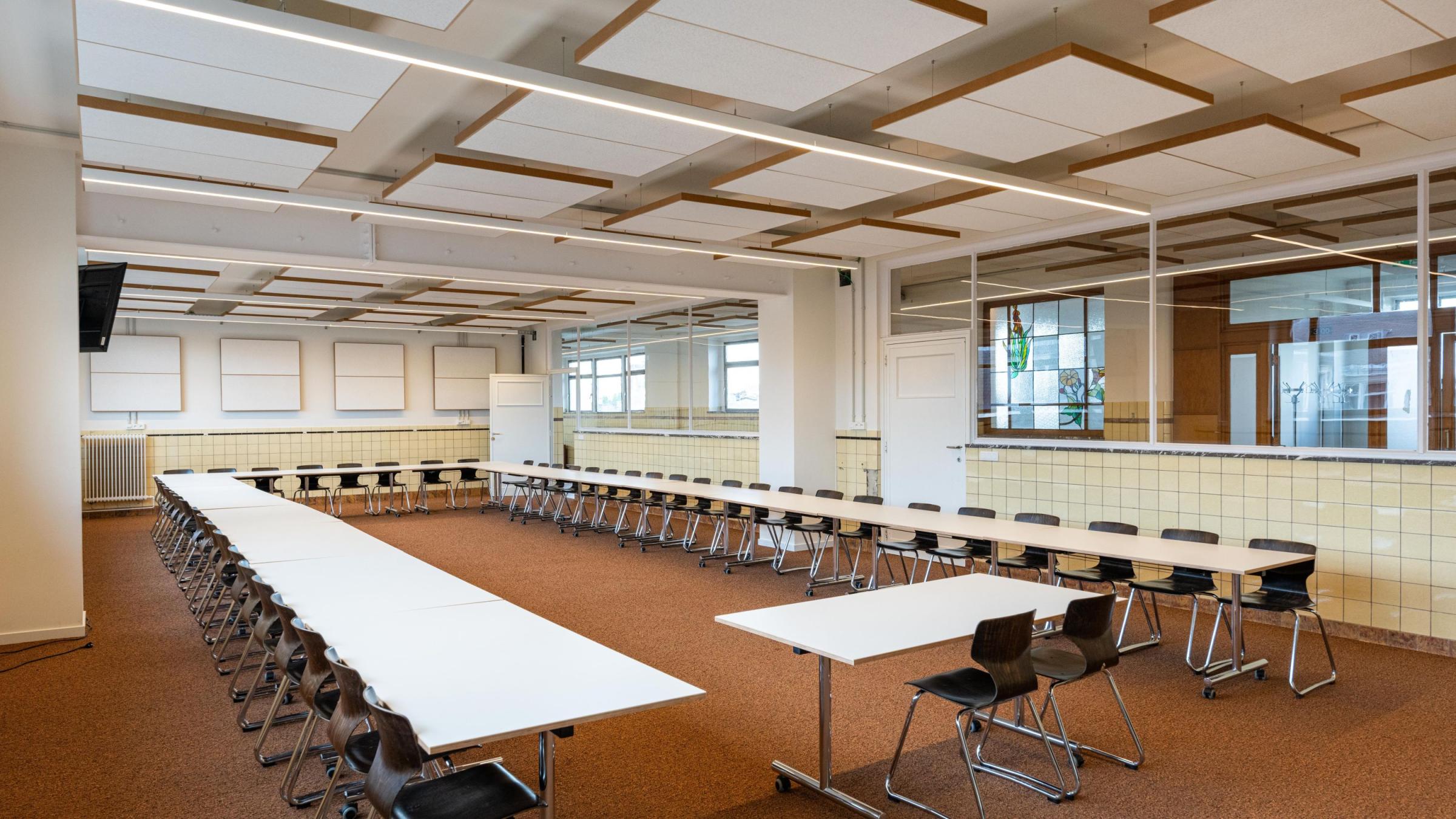
In today’s workplace, sound levels and acoustics play a crucial role in determining the quality of the working environment. Sound can be both a source of comfort and a source of disturbance.
Investing in better acoustic solutions can help organizations create a workplace that is not only functional, but also preferred over working from home. This not only helps attract and retain talent, but also contributes to a more productive and satisfying work environment.
This blog is based on findings about workplace sound levels from the study The Workplace Reset. The research analyzed workplace experience data from 157,880 employees across 62 countries.
The importance of sound levels in the workplace
68 percent of employees consider sound levels to be an important aspect of their workplace. Sound is everywhere: from phone calls and background music to typing keyboards and conversations between colleagues. In an optimal work environment, these sounds are balanced and do not cause disruption.
Sound levels are highly important for concentration and well-being. Poor acoustics can lead to reduced focus and increased stress. Employees who are satisfied with the sound levels in their workplace report being more productive and less distracted by background noise. This highlights the importance of good acoustic design in offices.
Challenges and solutions for acoustic needs
One major challenge for employers is creating a workplace that meets different acoustic needs. This means not only reducing noise, but also providing spaces that offer sufficient acoustic privacy. Employees need quiet zones for focused work as well as spaces with enhanced sound absorption for meetings and phone calls.
Practical implementations for better acoustics
Employers who want to improve the workplace experience for their employees should support all aspects of office life, including acoustic comfort. This can be achieved by:
- Space design: create diverse work zones with different sound levels, such as quiet zones, collaboration areas, and relaxation spaces.
- Materials and technology: use sound-absorbing materials and technologies such as acoustic wall or ceiling panels.
- Policies and culture: implement policies that encourage quiet work periods and create awareness about the importance of a calm working environment.
Conclusion: investing in acoustics pays off
Sound and acoustics are fundamental components of the modern workplace and contribute significantly to employee productivity and well-being. In a world where workplaces continue to adapt to new ways of working, improving the acoustic environment remains a priority for employers.
By integrating acoustic panels, we can effectively address noise issues and create a pleasant working environment that benefits everyone.
 Stilla. So every space begins and ends with peace of mind.